When planning an event, setting the right price can make all the difference between success and failure. How do you navigate this crucial step? By leveraging event pricing calculators, you can simplify your pricing strategy and boost your revenue! Here’s a deep dive into the essential insights you’ll gain.
What You Will Learn
The significance of a clear pricing strategy to avoid undervaluation or alienating potential attendees.
How to use event pricing calculators to input data and receive tailored pricing recommendations.
The benefits of integrating pricing strategies with marketing and CRM systems for enhanced audience targeting.
Key market research strategies to align your event with audience expectations and increase satisfaction.
The role of behavioral economics in crafting appealing pricing structures that resonate with attendees.
Effective budgeting tips to help you set realistic financial goals for your events.
Key Elements of Event Pricing Success
Understanding the critical factors that contribute to effective event pricing, from cost analysis to market alignment and financial planning, is essential for maximizing revenue and ensuring attendee satisfaction. The visual below outlines these core components.
1. Event Pricing Calculator: Simplifying Data & Decisions
Analyzes costs, desired profit, and sales projections to suggest optimal pricing. Inputs data, offers estimates, and enables informed adjustments.
Leverages psychology to set prices that appeal to audience emotions and perceptions, highlighting value (e.g., bundling perks).
4. Market Research & Financial Planning: Audience Alignment & Budgeting
Surveys, competitive analysis, and trend analysis align events with expectations. Effective budgeting identifies costs and sets clear financial goals.
Understanding the Role of Event Pricing Calculators in Revenue Maximization
As someone deeply immersed in the world of event marketing, I've seen firsthand how critical event pricing is to achieving financial success. Setting the right prices can be the difference between a sold-out event and a financial flop. When we dive into the mechanics of pricing, it’s not just about numbers—it's about understanding your audience, your costs, and the overall value you provide. But fear not! By leveraging tools like event pricing calculators, you can simplify this complex process and maximize your revenue potential. For a better understanding of how event ROI is calculated, you can explore resources like Airmeet's Event ROI Calculator.
Pricing decisions can often feel overwhelming. With various factors at play—from venue costs to attendee expectations—having a systematic approach is essential. That's where event pricing calculators come into play. They allow you to input essential data and receive insights that help you determine optimal pricing strategies. It’s a game-changer for anyone looking to enhance their event's profitability!
Why Event Pricing Matters for Financial Success
Understanding the importance of event pricing is key to financial success. Without a clear pricing strategy, you risk undervaluing your event or, conversely, alienating potential attendees with high prices. Here are a few reasons why event pricing is crucial:
Revenue Generation: Proper pricing directly impacts your income, allowing you to cover costs and generate a profit. You can learn more about event ROI metrics to gauge the financial success of your events.
Market Positioning: It helps define where your event stands in the marketplace, influencing your brand perception.
Audience Engagement: Thoughtful pricing can attract the right audience, enhancing their overall experience and satisfaction.
In essence, pricing is not just a financial matter; it significantly influences the overall success of your event. With the right strategy, you can create a win-win scenario for both your organization and your attendees!
Introduction to Event Pricing Calculators: What They Are and How They Work
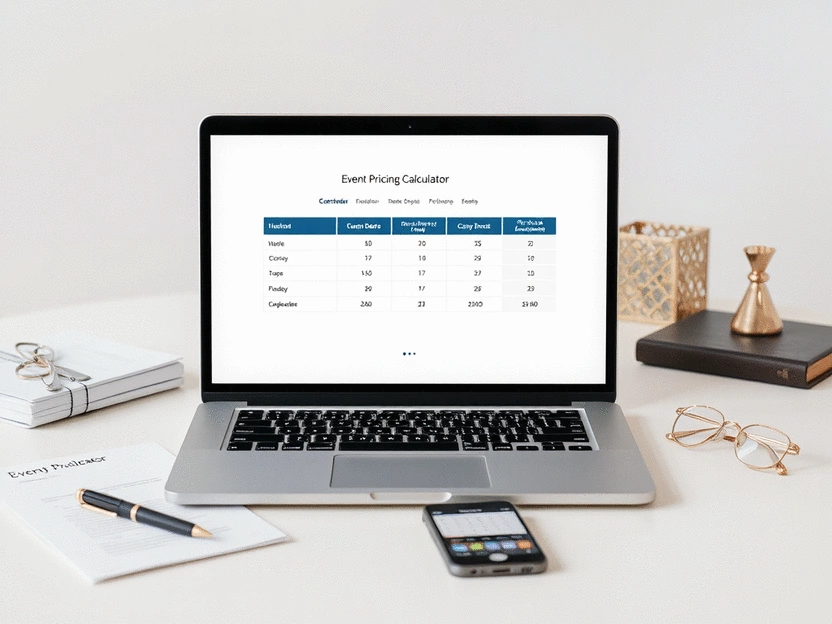
So, what exactly is an event pricing calculator? In simple terms, it’s a tool designed to assist event organizers in determining the best pricing for their offerings. These calculators analyze various inputs, such as estimated costs, desired profit margins, and ticket sales projections.
By using an event pricing calculator, you can expect to:
Input Key Data: Enter your costs, potential revenue streams, and any other relevant financial information.
Receive Estimates: The tool processes the data to provide suggested pricing options that align with your financial goals.
Make Informed Decisions: With clear insights at your fingertips, you can adjust your pricing strategy based on real-time data.
Integrating these calculators into your event planning process is a smart move! They simplify financial forecasting and empower you with the clarity needed to make sound pricing decisions. After all, at PromoteMyEvent.com, we’re all about empowering you to turn your vision into a profitable reality!
Engage with Us!
We'd love to hear your thoughts! How do you currently set your event pricing? Do you rely on calculators, or do you prefer a more intuitive approach? Share your insights with us below:
Bringing It All Together: The Future of Event Pricing Strategies
As we look toward the future of event pricing strategies, it’s essential to understand how integrating various elements can lead to enhanced revenue and attendee satisfaction. Event pricing is not just about setting a number; it’s about creating a holistic approach that encompasses your marketing efforts and audience engagement strategies.
By aligning your event pricing with your marketing and CRM systems, you can streamline your processes and create a unified strategy that addresses both financial goals and attendee needs. This integration helps to ensure that your event not only reaches the right audience but also resonates well with them!
Integrating Event Pricing with Marketing and CRM Systems
Integrating your event pricing with marketing and CRM systems allows for a seamless flow of information and a more targeted approach to your audience. Here are a few key benefits:
Enhanced Personalization: Tailor your marketing messages based on attendee data.
Improved Analytics: Gain insights into pricing effectiveness and attendee behavior.
Streamlined Communication: Ensure all teams are on the same page regarding event pricing and promotions.
This integration fosters collaboration and ensures that pricing strategies align with the overall marketing vision for your event. When every team has access to the same data, it creates a more cohesive strategy that can lead to increased ticket sales!
The Role of Behavioral Economics in Pricing Strategies
Understanding behavioral economics is crucial when developing your pricing strategies. This field examines how psychological factors affect consumer behavior and decision-making. By leveraging these insights, you can set prices that appeal to your audience’s emotions and perceptions.
For example, consider implementing pricing structures that highlight value, such as bundling tickets with exclusive perks. This not only makes attendees feel like they are receiving more for their money but also enhances their overall experience and encourages them to engage further with your brand!
Understanding Market Research: Aligning Your Event with Audience Expectations
Effective market research is essential to ensure your event aligns with your audience's expectations. Here are some critical steps to consider:
Surveys and Feedback: Collect data from past attendees to understand their preferences and pain points.
Competitive Analysis: Examine similar events in your industry to gauge pricing standards and features.
Trend Analysis: Stay updated on industry trends to anticipate changes in attendee behavior and preferences.
By incorporating these strategies, you can better position your event to meet the needs of your audience, ultimately leading to higher satisfaction rates and increased revenue!
Examining Financial Planning: How Effective Budgeting Influences Pricing
Successful event pricing also heavily relies on sound financial planning. A well-structured budget can significantly influence your pricing strategies. Here are a few tips for effective budgeting:
Identify Fixed and Variable Costs: Understand what expenses are consistent versus what may fluctuate.
Set Clear Financial Goals: Define what revenue targets you want to hit for your event.
Regularly Review and Adjust: Be prepared to adjust your budget based on changes in expenses or revenue opportunities.
By examining your financial plans closely, you can make informed decisions about pricing, ensuring that your event not only covers costs but also contributes to your overall profitability. For further insights into maximizing your event's return on investment, consider exploring articles on Event ROI.
Take Action: Maximizing Your Event Revenue Today
With all these strategies in mind, it’s time to take action! Maximizing your event revenue doesn’t have to be overwhelming. By implementing the right event pricing calculator for your needs, you can streamline the pricing process and ensure that it aligns with your event goals.
At PromoteMyEvent.com, we offer tools that simplify this process, allowing you to focus on what truly matters: delivering a transformative experience for your attendees!
Choosing the Right Event Pricing Calculator for Your Needs
When selecting an event pricing calculator, consider the following factors:
Usability: Ensure the platform is user-friendly and accessible.
Features: Look for calculators that offer comprehensive tools for budgeting, pricing, and forecasting.
Integration: Choose a solution that can integrate well with your existing marketing and CRM systems.
By choosing the right calculator, you can enhance your event planning experience, maximizing both efficiency and revenue potential!
Next Steps: Implementing Strategies for Immediate Revenue Growth
Now that you're equipped with knowledge about effective pricing strategies, it's time to implement them and watch your revenue grow! Start by applying the insights gained from market research and behavioral economics to your pricing model.
Remember, every event is unique, so don’t be afraid to adjust your strategies as needed based on your audience's feedback and financial performance!
Financial Forecasting: Planning for Future Events to Ensure Sustainability
Lastly, don’t forget the importance of financial forecasting! Planning for future events requires an understanding of your past performance, market trends, and attendee behavior. By regularly assessing your financial data, you can create more sustainable pricing strategies that not only boost revenue but also ensure long-term success for your events!
Frequently Asked Questions About Event Pricing
Q: Why is a clear pricing strategy important for events?
A: A clear pricing strategy is crucial for generating revenue, positioning your event in the market, and attracting the right audience without undervaluing your offering or alienating potential attendees.
Q: How do event pricing calculators assist in pricing strategies?
A: Event pricing calculators simplify the process by allowing you to input key financial data like costs and desired profit margins. They then provide suggested pricing options and estimates, enabling informed decision-making.
Q: What are the benefits of integrating event pricing with marketing and CRM systems?
A: Integration leads to enhanced personalization of marketing messages, improved analytics for pricing effectiveness, and streamlined communication across teams, resulting in a more cohesive strategy and increased ticket sales.
Q: How does behavioral economics influence event pricing?
A: Behavioral economics helps in crafting pricing structures that appeal to attendees' emotions and perceptions, highlighting value (e.g., through bundling perks) and making them feel they are getting more for their money.
Q: What role does market research play in aligning event pricing with audience expectations?
A: Market research, through surveys, competitive analysis, and trend analysis, helps event organizers understand audience preferences and pain points, compare with similar events, and stay updated on trends, ensuring the event meets attendee expectations.
Q: What are some tips for effective budgeting to influence pricing?
A: Effective budgeting involves identifying fixed and variable costs, setting clear financial goals for revenue targets, and regularly reviewing and adjusting the budget based on changing expenses or revenue opportunities. This ensures pricing covers costs and contributes to profitability.
Recap of Key Points
Here is a quick recap of the important points discussed in the article:
Importance of Pricing: Effective event pricing is crucial for generating revenue, market positioning, and audience engagement.
Utilizing Event Pricing Calculators: These tools help streamline pricing decisions by analyzing costs and providing optimal pricing strategies.
Integrating with Marketing Systems: Aligning event pricing with marketing and CRM systems enhances personalization and analytics.
Behavioral Economics Insights: Understanding psychological factors can influence pricing strategies that resonate with attendees.
Conducting Market Research: Collecting data through surveys and competitive analysis ensures alignment with audience expectations.
Effective Budgeting: Identifying costs and setting clear financial goals are essential for successful event pricing.
Taking Action: Implementing the discussed strategies and tools can help maximize event revenue effectively.
📈 Updated Content & Research Findings
▼
🔄 Global Event Market Growth & Tech Adoption - 2024-07-30
Research Date: 2024-07-30
🔬 Latest Findings: The global event management software market, which includes advanced pricing tools, is projected to grow significantly, with recent analyses indicating a CAGR of over 10% through 2030. This growth is largely driven by the increasing complexity of events and the demand for data-driven decision-making, emphasizing the critical role of sophisticated pricing calculators that integrate with broader event tech ecosystems.
📈 Updated Trends: Post-pandemic, there's a sustained shift towards hybrid events, which introduces new layers of pricing complexity. Organizers are increasingly adopting flexible pricing models (e.g., early bird, last-minute, group discounts, membership tiers) and exploring subscription-based access for recurring virtual content. The focus is on maximizing reach and revenue across both in-person and digital audiences, requiring more adaptive pricing strategies than ever before.
⚡ New Information: The integration of event pricing with comprehensive event management platforms is becoming the standard. These platforms now offer enhanced analytics dashboards that provide real-time ROI tracking, allowing organizers to adjust pricing dynamically based on live registration data, engagement metrics, and attendee demographics. New tools are also emerging that leverage predictive analytics to forecast demand and optimize inventory, particularly for events with limited capacities.
🎯 Future Outlook: The future will see event pricing calculators evolve into intelligent revenue management systems, incorporating AI-driven demand forecasting and personalized pricing based on individual attendee profiles and past interactions. Expect greater emphasis on value-based pricing, where the perceived benefits (e.g., exclusive access, networking with specific individuals) dictate the price. Furthermore, sustainability considerations are beginning to influence pricing, with some events offering 'green' ticket options or offsetting carbon footprints through ticket sales.
🔍 Latest Findings: Recent studies show a significant rise in the adoption of AI and machine learning for predictive event pricing. These advanced algorithms analyze vast datasets, including historical sales, competitor pricing, real-time demand, and even social media sentiment, to recommend dynamic pricing adjustments. This allows for continuous optimization, often leading to higher revenue yields and improved ticket sell-through rates compared to static pricing models.
📊 Updated Trends: The trend towards dynamic pricing is accelerating, with more event organizers moving away from fixed pricing structures. Subscription-based event models and tiered loyalty programs are also gaining traction, offering attendees more flexible access and fostering long-term engagement. There's an increased focus on value-based pricing, where perceived value (e.g., exclusive content, networking opportunities) drives price points rather than just cost recovery.
🆕 New Information: New event pricing calculators are integrating advanced features like scenario planning, allowing organizers to model the impact of different pricing strategies under varying market conditions. Many platforms now offer real-time competitive benchmarking and automated price adjustment suggestions. Furthermore, blockchain technology is being explored for secure, transparent ticket sales and dynamic pricing, aiming to combat scalping and ensure fair market value.
🔮 Future Outlook: The future of event pricing will likely be characterized by hyper-personalization, with AI tools capable of suggesting individualized ticket prices based on attendee profiles, purchase history, and engagement levels. The integration of virtual and hybrid event data will become crucial for comprehensive pricing strategies. We can also expect more sophisticated risk assessment models within pricing tools, helping organizers mitigate financial uncertainties in rapidly changing event landscapes.
Boyd Staszewski
Website Copywriter. UX Strategist. SEO Specialist.
Boyd Staszewski is dedicated to transforming event ideas into fully-promoted realities, empowering coaches, retreat leaders, and organizations to host impactful experiences. Join her on our blog for daily tips and tailored strategies that simplify your event planning and enhance your promotional success.
Website Copywriter. UX Strategist. SEO Specialist.
Boyd Staszewski, at PromoteMyEvent.com, empowers creators of transformational events by providing the tools needed to design, price, and promote ideas effectively. He helps organizations and individuals articulate their vision, ensuring every event is not only impactful but also financially sustainable. Join him on our blog for insights on bringing your mission-driven events to life with clarity and confidence.


.png)