
Nov 27
Maximize Event Profits with Calculators
What if mastering your event pricing could unlock unprecedented profitability? The right tools can transform your planning process. An event pricing calculator is not just a calculator; it's a strategic asset that empowers you to make informed financial decisions!
What You Will Learn
- How an event pricing calculator helps estimate costs and revenue for successful event planning.
- The importance of conducting a comprehensive cost analysis to set accurate pricing strategies.
- Methods for tracking profitability across multiple events to identify trends and improve future planning.
- Key psychological pricing tactics that enhance perceived value and boost ticket sales.
Event Profitability Breakdown
This visual illustrates the key elements involved in calculating and optimizing event profitability, encompassing cost analysis, revenue generation, and strategic pricing.
Cost Analysis: Foundation of Pricing
Fixed Costs: Venue, equipment rental, staff salaries (unchanging).
Variable Costs: Catering, materials, per-attendee expenses (fluctuates).
Buffer: Account for unexpected expenses.
Profitability Tracking: Long-Term View
Total Revenue: Income from sales, sponsorships.
Total Costs: All expenses (fixed + variable).
Profit Margins: Evaluate by event type & adjust strategies.
Break-Even Point: Critical Threshold
Formula: Fixed Costs / (Ticket Price - Variable Cost per Attendee).
Purpose: Determine minimum sales to cover expenses.
Benefit: Forecast profits and set realistic goals.
Psychological Pricing: Boost Value
Charm Pricing: End prices in .99 (e.g., $29).
Anchoring: Present higher options to make current price seem better.
Bundling: Offer multiple services for perceived greater value.
Understanding Event Pricing Calculators and Their Importance
When planning an event, one of the most crucial tools at your disposal is an event pricing calculator. But what exactly does this tool do? At PromoteMyEvent.com, we believe that understanding the nuances of pricing is essential for achieving financial clarity. An event pricing calculator helps you determine what to charge for your event based on various factors, ensuring you can cover costs while still making a profit.
Using a reliable calculator allows you to enter details about your event, such as the venue, catering, entertainment, and more. This way, you can have a clear picture of your potential income and expenses, paving the way for success!
What is an Event Pricing Calculator?
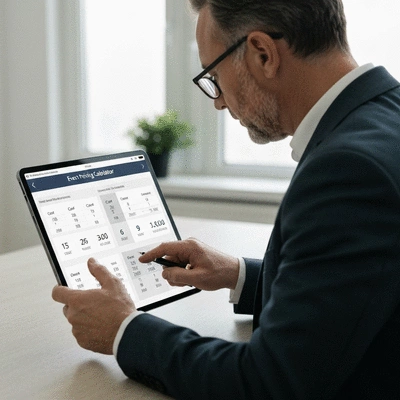
An event pricing calculator is a specialized tool designed to help event planners estimate the costs associated with hosting an event. By inputting key details, you gain insights into what it takes to run a successful event financially. Whether you’re organizing a wedding, corporate gathering, or community festival, this tool can guide your pricing strategy effectively.
- Cost Estimation: Calculate the expected expenses involved in your event.
- Revenue Projection: Estimate potential income based on various pricing models.
- Profit Analysis: Assess the profit margins you can achieve by adjusting prices.
In short, using an event pricing calculator empowers you to make informed decisions, leading to better financial outcomes for your events!
How Event Pricing Calculators Can Impact Profitability
Have you ever wondered how a simple calculator can affect your bottom line? The impact of an event pricing calculator on your profitability can be significant! By accurately assessing costs and setting appropriate pricing, you can ensure that your event not only breaks even but also generates profit.
For instance, let’s say you miscalculate your expenses and charge too little. This could lead to unexpected financial strain. On the other hand, if you use a pricing calculator, you can strategically set your prices to reflect the true value of your event, which is a game-changer for your profitability!
The Role of Cost Analysis in Using an Event Pricing Calculator
Understanding the costs associated with your event is the foundation of an effective pricing strategy. A comprehensive cost analysis is the first step in using an event pricing calculator. This includes identifying both fixed costs, like venue rentals, and variable costs, such as catering per guest. For more detailed insights into effective cost analysis, resources like the University of Texas's guide on calculating event ROI can be particularly helpful.
- Fixed Costs: These are costs that do not change, regardless of the number of attendees.
- Variable Costs: These fluctuate based on attendance, such as food and drink costs.
- Unexpected Costs: Always factor in a buffer for any surprise expenses that may arise!
By conducting a thorough cost analysis before inputting data into the calculator, you can ensure more accurate pricing and ultimately enhance your event's success!
Pro Tip
To further enhance your pricing strategy, consider incorporating feedback loops. After each event, gather insights from attendees regarding ticket pricing, value perception, and overall satisfaction. This information can provide invaluable data for adjusting your future pricing models, ensuring you remain competitive and responsive to your audience's needs!
Long-Term Profitability Considerations for Event Planners
As an event planner, thinking about long-term profitability is essential. It's not just about your next event but how each event contributes to your overall success. Tracking profitability across multiple events can help you identify trends and make informed decisions that will benefit your future endeavors.
Here are some key points to consider when assessing your profitability over time:
- Evaluate your total revenue and costs from each event.
- Compare performance metrics across different types of events.
- Identify areas that consistently generate higher profits.
By monitoring these factors, you can develop strategies that enhance your bottom line. It’s like building a roadmap to guide your decision-making, ensuring that every event leads to better financial health.
Tracking Profitability Across Multiple Events
Tracking your profitability across different events helps you recognize patterns and areas for improvement. I often recommend keeping a detailed record of each event's financial outcomes. This can include:
- Total income generated from ticket sales, sponsorships, and merchandise.
- All associated costs, including venue rental, catering, and marketing.
- The profit margins for each event type, so you can compare performance.
Understanding these elements can empower you to make strategic adjustments for future events, increasing your overall profitability over time!

Understanding the Break-Even Point for Recurring Events
Do you know your break-even point? It’s crucial for any event planner, especially when dealing with recurring events. By calculating when your revenues equal your costs, you can determine how many tickets need to be sold or how many sponsorships are required to cover your expenses. Here’s how to do it:
- Identify your fixed costs (those that remain constant regardless of attendance).
- Calculate your variable costs (those that change based on attendance).
- Use the formula: Break-even point = Fixed Costs / (Ticket Price - Variable Cost per Attendee).
This knowledge allows you to forecast potential profits and set realistic goals for each event while also providing a cushion in case sales are lower than expected.
Utilizing Profitability Analysis for Future Planning
Profitability analysis is an incredible tool that can guide your planning for future events. By assessing your past successes and failures, you can refine your strategies. Here are some steps you can take:
- Analyze the financial success of similar past events.
- Adjust your pricing and marketing strategies based on previous outcomes.
- Seek feedback from attendees to understand their value perception.
This approach not only fosters better decision-making but can also lead to innovative ideas and improvements for your next events!
Frequently Asked Questions (FAQs)
Here are some common questions about event pricing and profitability:
- Q: What is an event pricing calculator?
- A: An event pricing calculator is a tool that helps event planners estimate costs and potential revenue to determine optimal pricing for their events, ensuring profitability.
- Q: Why is cost analysis important for event pricing?
- A: Cost analysis is crucial because it identifies all fixed and variable expenses associated with an event. This comprehensive understanding forms the foundation for accurate pricing strategies and helps avoid financial losses.
- Q: How can I track profitability across multiple events?
- A: You can track profitability by keeping detailed records of total income, all associated costs (venue, catering, marketing), and profit margins for each event. This allows for comparison and strategic adjustments for future planning.
- Q: What are some psychological pricing tactics?
- A: Psychological pricing tactics include charm pricing (ending prices in .99), anchoring (presenting a higher option first to make the current price seem better), and bundling services to increase perceived value.
- Q: What is the break-even point in event planning?
- A: The break-even point is the stage at which your total revenue equals your total costs. Knowing this helps you determine the minimum number of tickets or sponsorships needed to cover expenses and start generating profit.
Psychological Pricing Tactics to Boost Perceived Value
When it comes to event pricing, understanding the psychology behind it can significantly enhance your perceived value. This can be particularly effective in drawing attendees and increasing your profits!
Throughout my experience with PromoteMyEvent.com, I've found that employing psychological pricing tactics can have a profound impact. Here are some strategies to consider:
- Implement charm pricing (e.g., pricing at $29 instead of $30).
- Utilize anchoring strategies to present prices compared to higher options.
- Focus on bundling services to provide greater perceived value.
These tactics can help convince potential attendees that your event is worth the price, ultimately leading to increased ticket sales and profitability. For further reading on strategies for maximizing event ROI and attendee engagement, explore resources like Momencio's guide on event ROI maximization.
Utilizing Charm Pricing and Anchoring Strategies
Charm pricing is all about making prices seem more attractive by ending them in .99 or .95. This seemingly minor adjustment can influence purchasing behaviors. Additionally, anchoring involves presenting a higher initial price to make your actual price seem like a bargain. Here’s how it works:
- Showcase a premium package alongside your standard offering.
- Highlight the savings when attendees opt for the standard package.
- Use comparisons in your marketing materials to create an anchor point.
Employing these techniques can help elevate your event's perceived value, making tickets feel like an investment rather than just a cost.
The Role of Price Perception in Client Decisions
Price perception plays a key role in whether clients choose to attend your event. Factors such as your branding, marketing approach, and overall presentation impact how potential attendees view pricing. To enhance this perception:
- Ensure your marketing materials are high quality and visually appealing.
- Communicate the value clearly, emphasizing unique experiences or benefits.
- Engage with your audience through testimonials and success stories.
When you position your event as an exclusive opportunity, clients are more likely to see the value in your pricing, leading to better attendance rates!
Implementing Pricing Optimization Techniques for Better Results
Finally, consider implementing pricing optimization techniques to maximize your event's financial success. Here are a few methods to explore:
- Conduct A/B testing for different pricing strategies.
- Adjust pricing in real-time based on demand.
- Segment your audience and offer tailored pricing options.
By continuously refining your pricing strategies, you can ensure that you are capturing as much revenue as possible, leading to enhanced overall profitability!
Conclusion: Enhancing Your Event's Financial Success
In conclusion, understanding and applying these profitability considerations and psychological pricing tactics can transform your events into more financially successful endeavors. As I always say at PromoteMyEvent.com, knowledge is power, and taking actionable steps is key! For further insights into maximizing your event's financial outcomes, resources like Airmeet's discussion on event ROI offer valuable strategies.
Let’s take action together: explore the tools and resources we recommend to further your event planning success and boost your profitability!
Recap of Key Points
Here is a quick recap of the important points discussed in the article:
- Event Pricing Calculator: A vital tool for estimating costs and setting appropriate pricing for events.
- Cost Analysis: Understanding fixed, variable, and unexpected costs is crucial for accurate pricing.
- Long-Term Profitability: Tracking financial outcomes across events helps identify trends and improve future planning.
- Psychological Pricing Tactics: Utilizing charm pricing and anchoring strategies can enhance perceived value and drive ticket sales.
- Break-Even Analysis: Knowing your break-even point aids in setting realistic financial goals for events.
📈 Updated Content & Research Findings
.png)
Boyd Staszewski
Website Copywriter. UX Strategist. SEO Specialist.
Boyd Staszewski is dedicated to transforming event ideas into fully-promoted realities, empowering coaches, retreat leaders, and organizations to host impactful experiences. Join her on our blog for daily tips and tailored strategies that simplify your event planning and enhance your promotional success.